
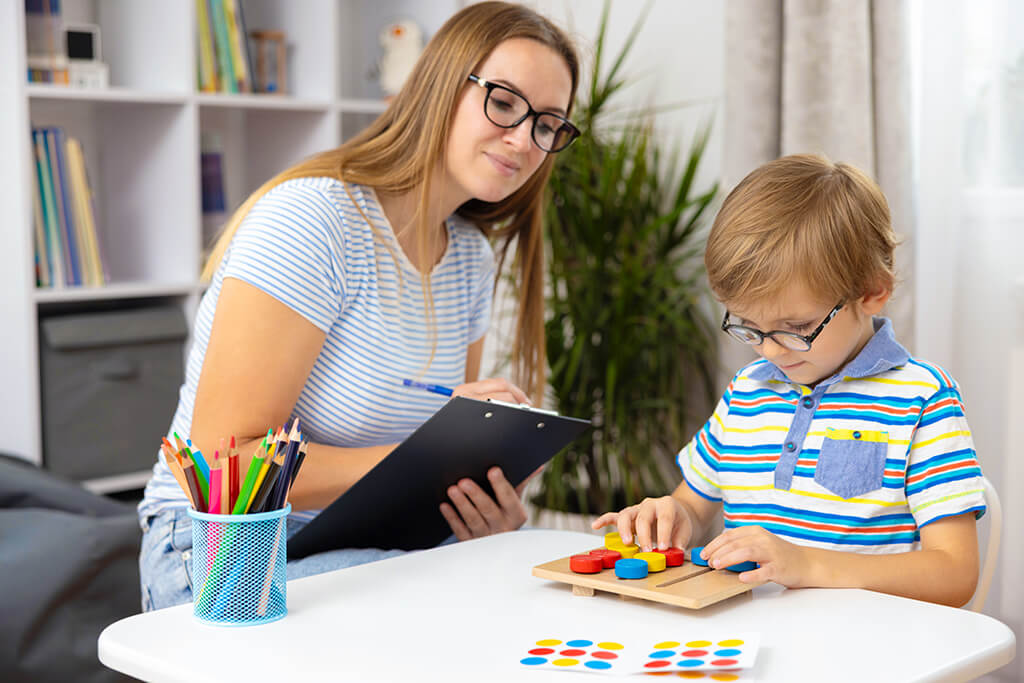
Social interaction and communication can present unique challenges for children on the autism spectrum. Everyday situations such as joining group activities, adapting to changes in routine, or expressing emotions confidently had become increasingly difficult, often leading to withdrawal from social environments and hesitation when interacting with others.
The family sought professional support to help strengthen communication skills, encourage positive social experiences, and build greater independence. A personalized therapy program was developed to nurture the child’s strengths while providing practical strategies that could be applied both during therapy sessions and at home.
Therapy Goals
The program focused on building meaningful life skills while respecting the child’s individual pace of development.
The primary goals included:
- Improve verbal and non-verbal communication
- Encourage positive social interaction
- Develop emotional understanding and self-expression
- Strengthen confidence in unfamiliar situations
- Support flexibility during daily routines
- Increase independence in everyday activities
Personalized Care Plan
Following a comprehensive developmental assessment, an individualized therapy plan was created around the child’s interests, abilities, and communication style.
Each session incorporated structured play, visual supports, social communication activities, sensory-friendly learning experiences, and parent coaching. Therapy emphasized creating predictable routines while gradually introducing new experiences that encouraged confidence and flexibility.
Family involvement remained a central part of the program, ensuring that strategies introduced during therapy could be naturally reinforced throughout everyday life.
Family Reflection
“The program helped us better understand our child’s unique strengths while providing practical strategies we could use every day. We’ve seen meaningful improvements in communication, confidence, and social participation, making everyday routines feel more positive and connected as a family.”
Therapy Techniques Used
The therapy program included a variety of evidence-based approaches, including:
- Autism Development Assessment
- Play-Based Learning
- Social Communication Activities
- Visual Schedule & Routine Planning
- Emotional Recognition Exercises
- Sensory Regulation Strategies
- Parent Coaching & Home Guidance
- Group Interaction Activities
- Progress Monitoring & Goal Reviews
Progress & Results
Consistent progress was observed throughout the program as communication became more spontaneous and participation in social situations increased. Familiar routines became easier to manage, while transitions between activities gradually required less support.
The child demonstrated greater confidence when interacting with family members, therapists, and peers. Improved emotional understanding also helped reduce frustration, allowing everyday experiences to become more enjoyable and rewarding.
Key Outcomes
- Improved communication skills
- Increased participation in social activities
- Greater emotional awareness
- Better adaptability during routine changes
- Improved confidence in group environments
- Stronger family engagement
- Increased independence during daily activities
- Enhanced overall social development